For Students
Join our study programs!
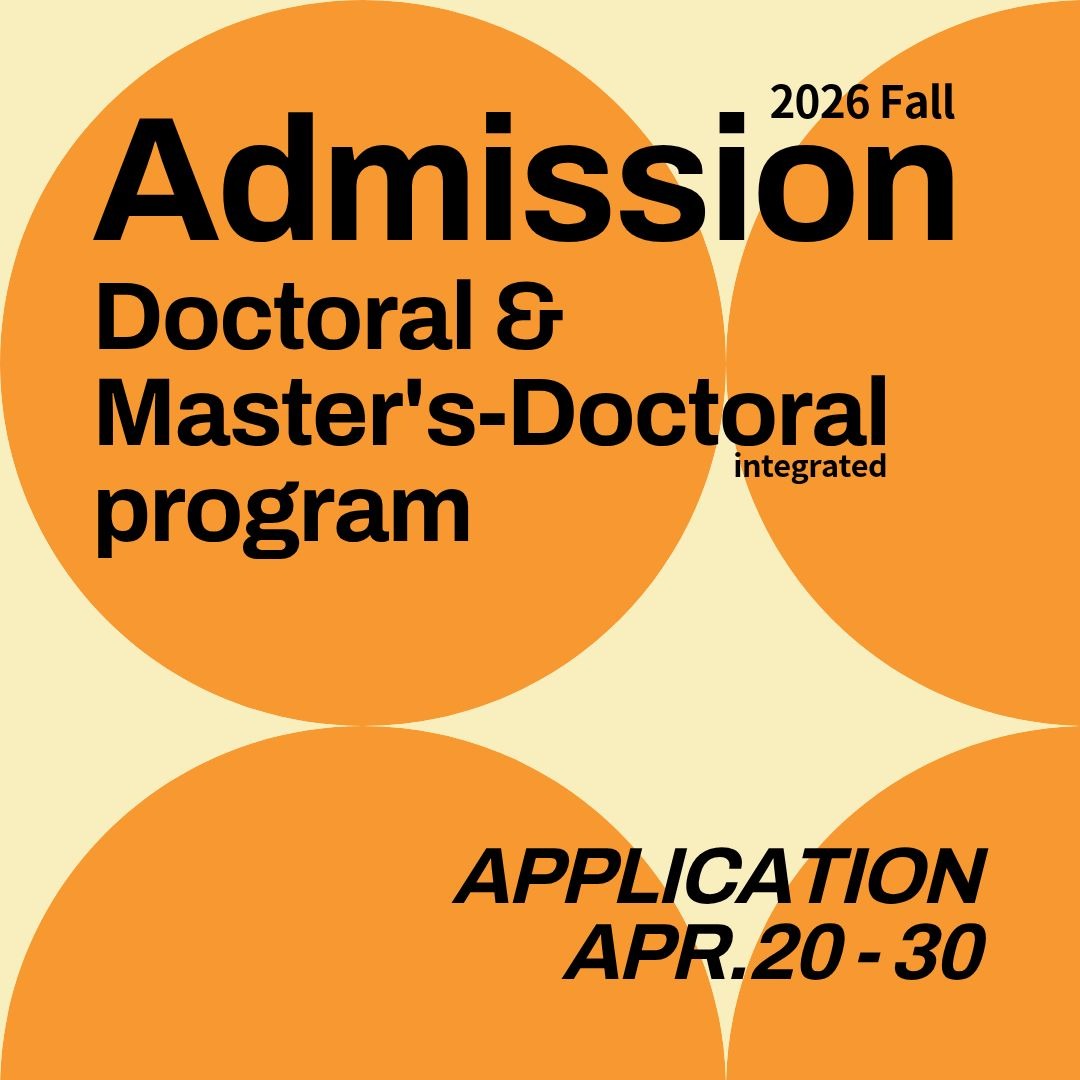
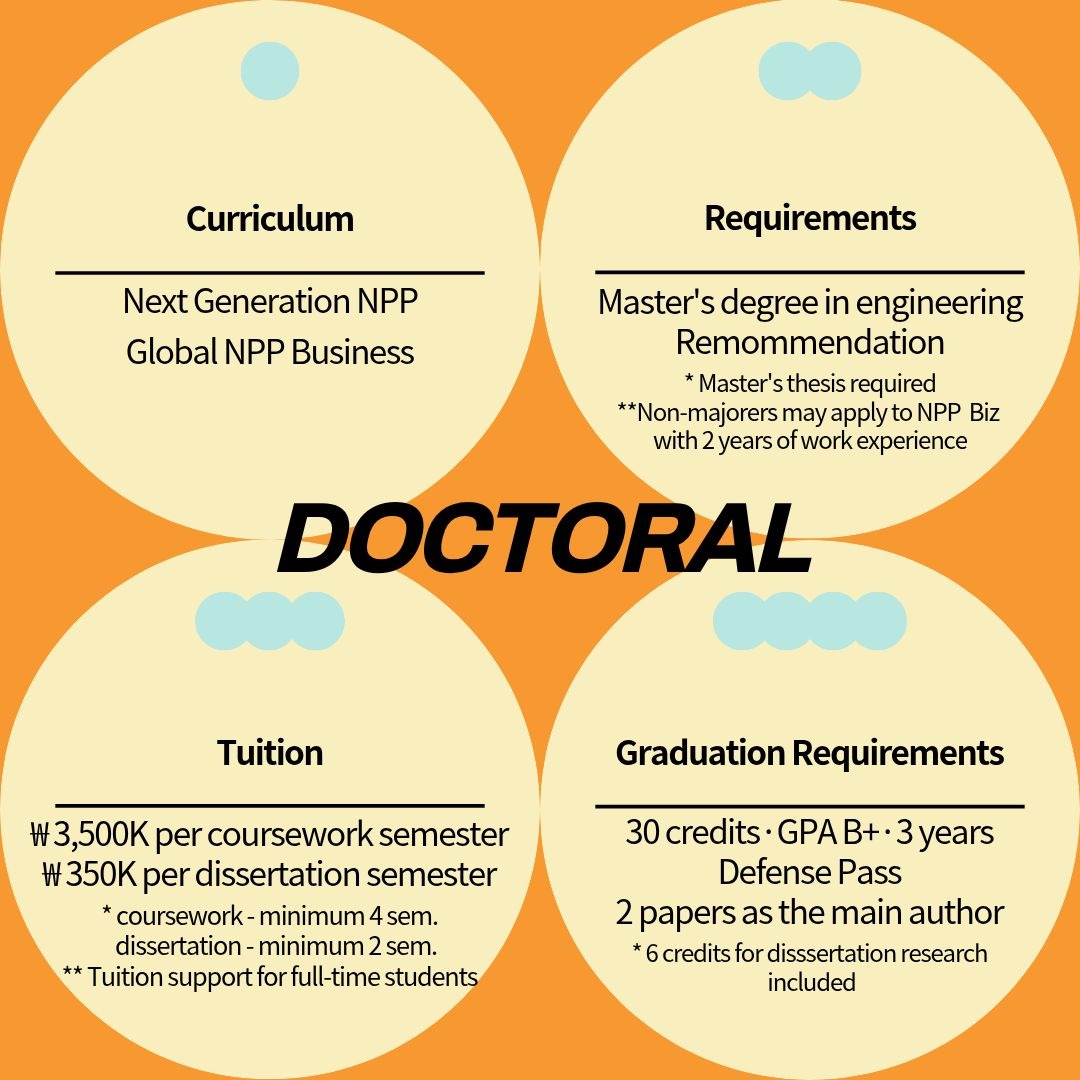
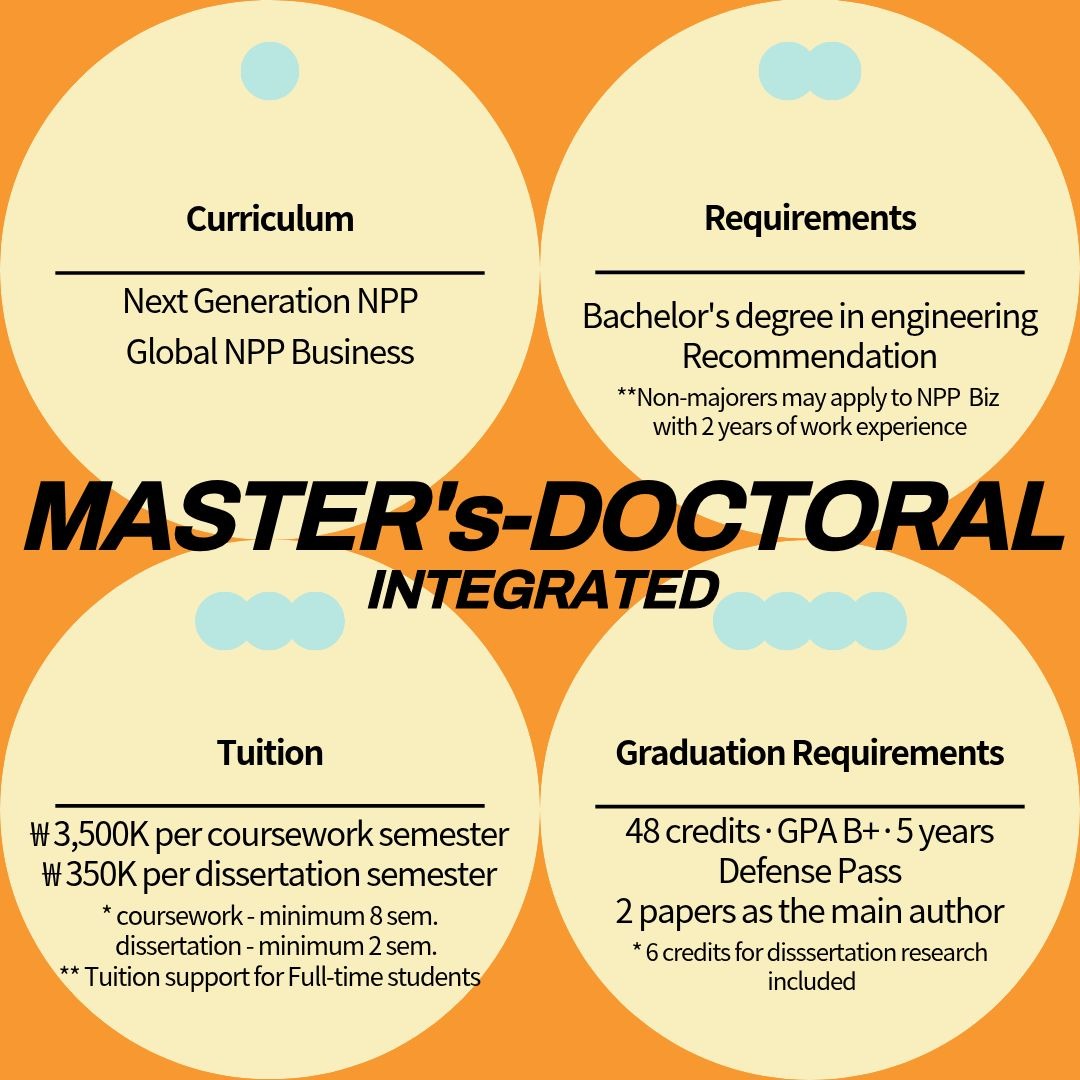
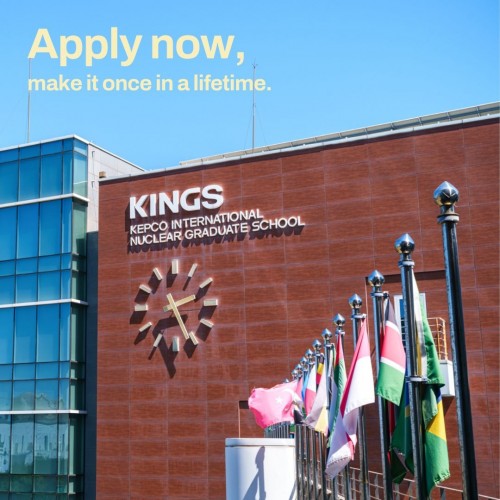
Join our Ph.D. and integrated Master’s–Ph.D. programs and grow as a future leader in the nuclear industry through our Global NPP Business and Next Generation NPP curriculum.
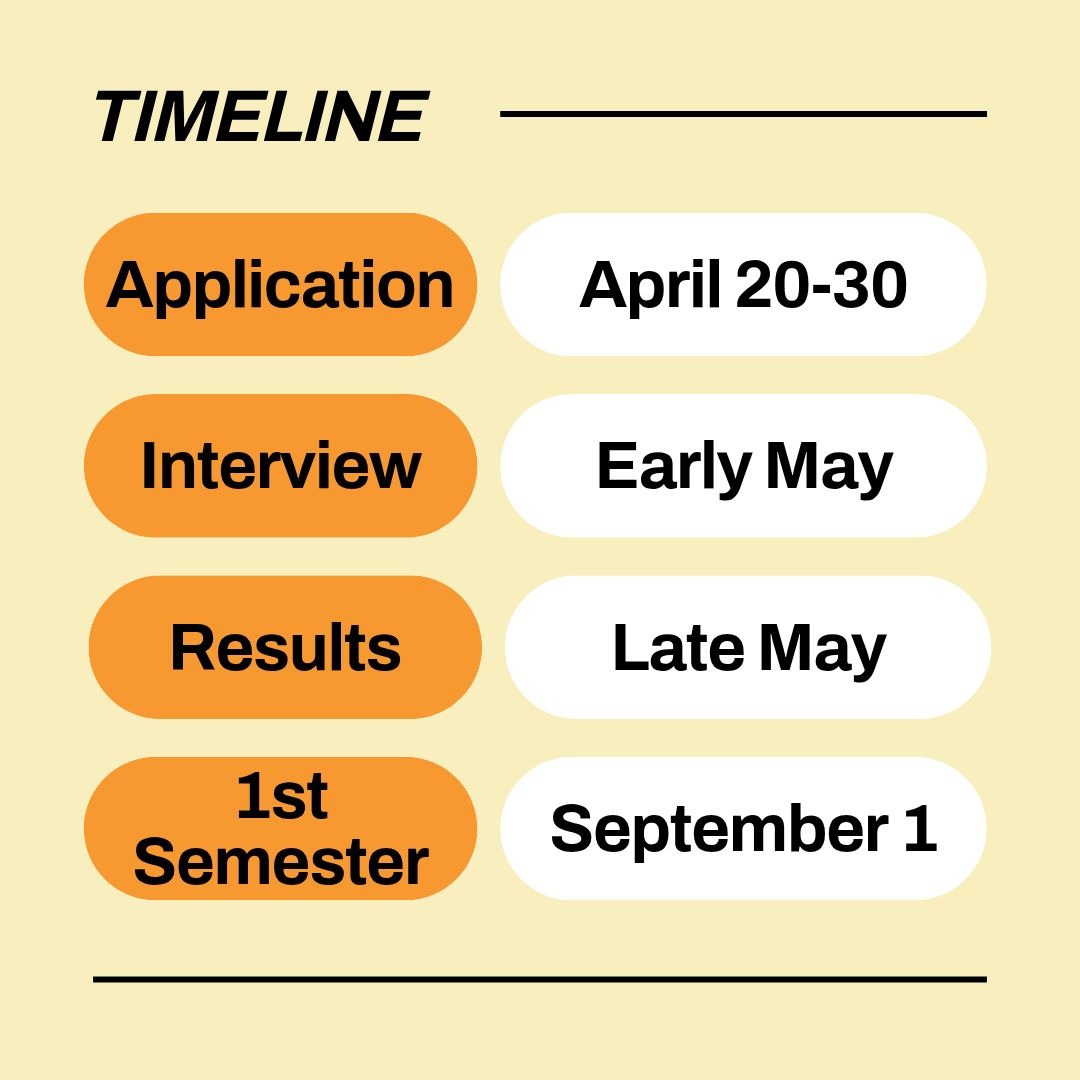
For detailed eligibility and application timelines, please make sure to check the website kings.ac.kr.
Read an exlusive interview with one of our alumni!
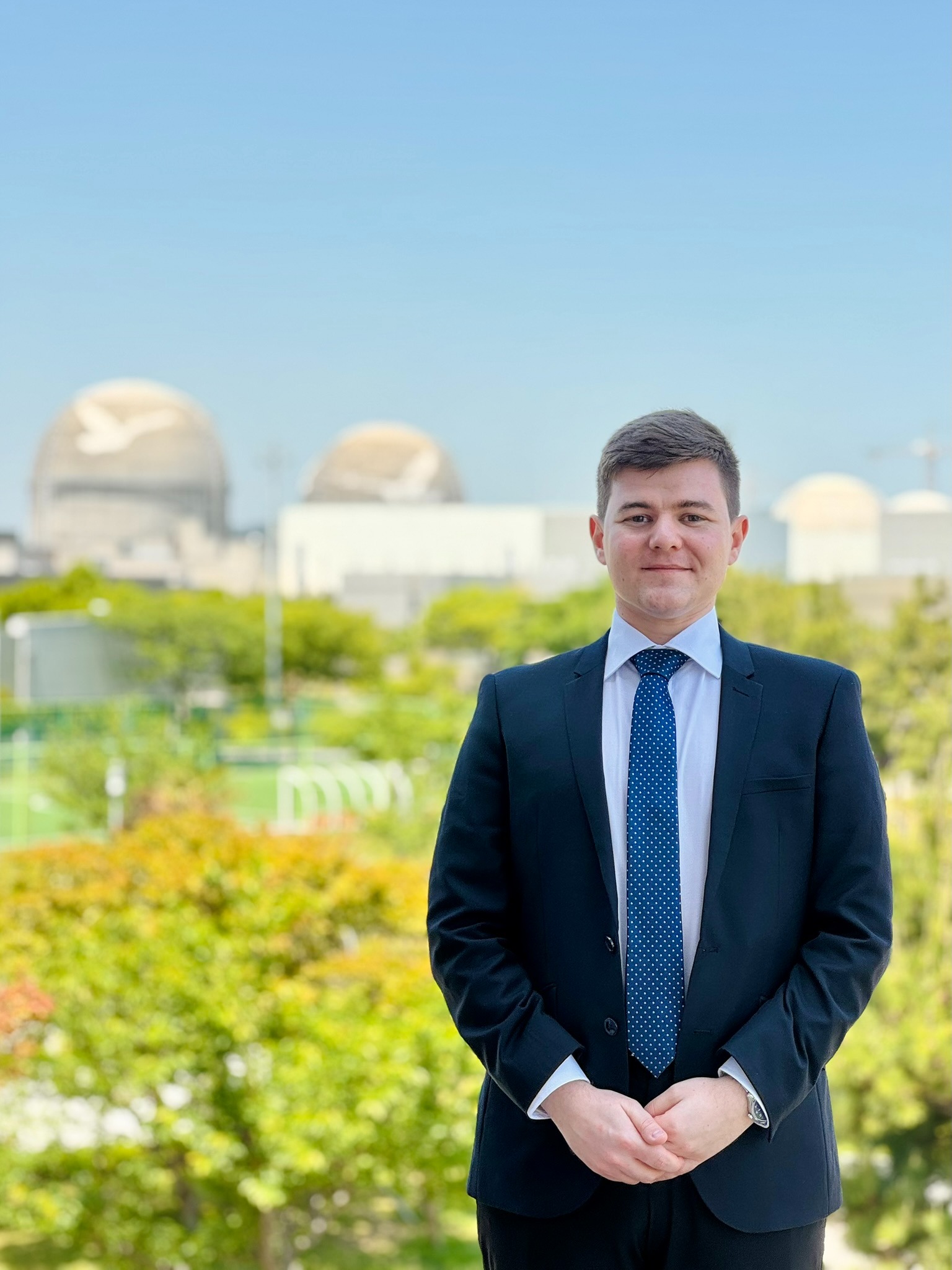
Our alumnus, Jan Hruškovič, originally from Náměšť nad Oslavou, now residing in Suwon, South Korea, shared his thoughts, feelings and experinces from his time at KINGS.
What was your relationship with KINGS before your studies?
"Before studying there, I actually did not know about KINGS at all. During my studies at the Brno University of Technology (BUT) I never really considered an overseas internship or study abroad. So I learned about KINGS just suddenly, during a lecture given by the BUT professor Karel Katovský.
At that time I became interested but I was in the last semester of my bachelor studies and since KINGS is a graduate school I could not go at the time. However, later I received an offer to sign up for the whole master’s studies program. I did not hesitate even for a minute, and knew that I definitely wanted to go!
One of the big selling points is KINGS location, as it is located next to nuclear power plants, right on the coast, with each dormitory room having a direct sea view. A very attractive combination for a typical Czech person!
On the other hand, it was a very hard decision to make. Back then I did not know much about Korea, if it is a safe country, how will the studies go, if I will be able to learn Korean and if I will be able to go back home to visit my family.
In the end, all worries turned out to be unnecessary. Everything was even better than I expected!
It is true that I had a girlfriend before I left for Korea and our relationship didn't last. This is, by the way, something that Koreans don't really understand. In their eyes, it is not a problem to go abroad to study or work long-term, even if they have a family. It was a big culture shock for me because I previously thought that Korea (or Asian countries in general) were more family-oriented than we are in Europe.
I don't remember any other culture shocks from my time at KINGS. Also, since KINGS is an international school, and due to its remote location, students live in their own little bubble and do not come into contact with purely Korean environment as much.
However, Korea is a very safe and modern country. It does take a while to get used to the Korean food, but once you do, you usually end up loving it."
How would you describe the curriculum at KINGS?
"Classes at KINGS are usually focused on practical topics, rather than pure theory. Professors usually come from Korean companies or research institutions, so they have a lot of experience to share.
The curriculum includes several compulsory courses, which are intended to get the necessary theoretical foundation. At the same time, students can choose their elective courses freely.
The first semester of electives usually serves as an introduction to the subject and the related theory. The second semester is more practical and often involves use of specialized software.
Compulsory courses are usually completed with a written exam. Elective subjects mostly have two projects, in the middle and end of each semester. It can be either an individual or group project, which must be presented in front of the whole class. In terms of content, each project roughly corresponds to a bachelor's thesis at a Czech university, but is more practically oriented.
The second year is focused on the final thesis and students work independently. As part of their studies, students also participate in local and international conferences and have the opportunity to publish their work in a journal article.
Compared to Czech universities, KINGS is significantly more time-consuming, but much more practice-oriented and gives students many opportunities to present or publish their work."
The curriculum includes several compulsory courses, which are intended to get the necessary theoretical foundation. At the same time, students can choose their elective courses freely.
The first semester of electives usually serves as an introduction to the subject and the related theory. The second semester is more practical and often involves use of specialized software.
Compulsory courses are usually completed with a written exam. Elective subjects mostly have two projects, in the middle and end of each semester. It can be either an individual or group project, which must be presented in front of the whole class. In terms of content, each project roughly corresponds to a bachelor's thesis at a Czech university, but is more practically oriented.
The second year is focused on the final thesis and students work independently. As part of their studies, students also participate in local and international conferences and have the opportunity to publish their work in a journal article.
Compared to Czech universities, KINGS is significantly more time-consuming, but much more practice-oriented and gives students many opportunities to present or publish their work."
The school year at KINGS starts at a different time than the Czech one... wasn’t this a problem?
"This is one of the slightly more complicated things that can discourage many. In Korea, the school year starts in the opposite way to ours. Which is quite a big complication, because there is either a six-month gap or you start a master's degree in Czech and have to find a way around it if you want to go to KINGS full time. But it’s not something that could not be solved.
I myself started my master's studies at BUT and after the first semester, I "ran away" to KINGS, so my study at BUT was not finished. On the other hand Marek and Dalibor decided to study at KINGS in the middle of their master's studies in BUT and after they returned from KINGS, they completed their studies, so now they have two master's degrees, from BUT and from KINGS."
What about the financial aspect of studying abroad?
"The KINGS scholarship fully covers the tuition fee, dormitory and meals in cafeteria. Czech students may not view the scholarship as a big advantage since Czech universities are for free but in Korea, the tuition fee is usually high. Once you receive this scholarship, your only requirement is to finish the study with average grade better than C+. Besides the KINGS scholarship, I also managed to receive KNS (Korea Nuclear Society) scholarship.
This scholarship is awarded to the top student of each Korean university with nuclear engineering program. Being the best student at KINGS was not easy, especially with the competition of many Korean students, but somehow I did it.
The only thing that the students have to pay is the national health insurance, which is about 1000 CZK per month. Otherwise, life in Korea is relatively affordable, in my opinion."
This scholarship is awarded to the top student of each Korean university with nuclear engineering program. Being the best student at KINGS was not easy, especially with the competition of many Korean students, but somehow I did it.
The only thing that the students have to pay is the national health insurance, which is about 1000 CZK per month. Otherwise, life in Korea is relatively affordable, in my opinion."
Can you compare the master’s program and the short-term exchange or NYSP?
"The two-year program had a significant impact on me, and compared to short-term stays, the effect is multiplied.
During the two-year study program you get to know Korea much more and, above all, you study more. Of course, it is a big challenge, and so far only few of us (Czechs) have graduated from the two-year program. I hope there will be more students, like Jakub Stoklasa and Vojtěch Votípka, who are now starting their second year at KINGS.
From 2022, KINGS organized the Nuclear Youth Summer Program (NYSP) which is a two-week summer school, very similar to the Summer University in Dukovany and Temelín organized by ČEZ. Various seminars, lectures and field trips to Korean nuclear facilities are prepared for students, and it is complemented by trips and a cultural program.
I participated in NYSP every year since 2022. At first more actively as a KINGS student, later, because of work, mainly over the weekends during the cultural program in Seoul. It is definitely a great event with great people, and a large portion of the NYSP’s participants later end up applying to KINGS either as full-time or exchange students."
During the two-year study program you get to know Korea much more and, above all, you study more. Of course, it is a big challenge, and so far only few of us (Czechs) have graduated from the two-year program. I hope there will be more students, like Jakub Stoklasa and Vojtěch Votípka, who are now starting their second year at KINGS.
From 2022, KINGS organized the Nuclear Youth Summer Program (NYSP) which is a two-week summer school, very similar to the Summer University in Dukovany and Temelín organized by ČEZ. Various seminars, lectures and field trips to Korean nuclear facilities are prepared for students, and it is complemented by trips and a cultural program.
I participated in NYSP every year since 2022. At first more actively as a KINGS student, later, because of work, mainly over the weekends during the cultural program in Seoul. It is definitely a great event with great people, and a large portion of the NYSP’s participants later end up applying to KINGS either as full-time or exchange students."
But KINGS wasn’t just about studying, right? What about other activities?
"Each master student has a chance to apply for a four-week internship in a Korean company related to the nuclear industry. During the summer of my second year at KINGS, I had a chance to have an internship in FNC Technology, one of the largest Korean private company focused on nuclear engineering.
Besides that I also participated in a four-week training course by the IAEA, Intercontinental Nuclear Institute (INI), which is the biggest international event organized by IAEA.
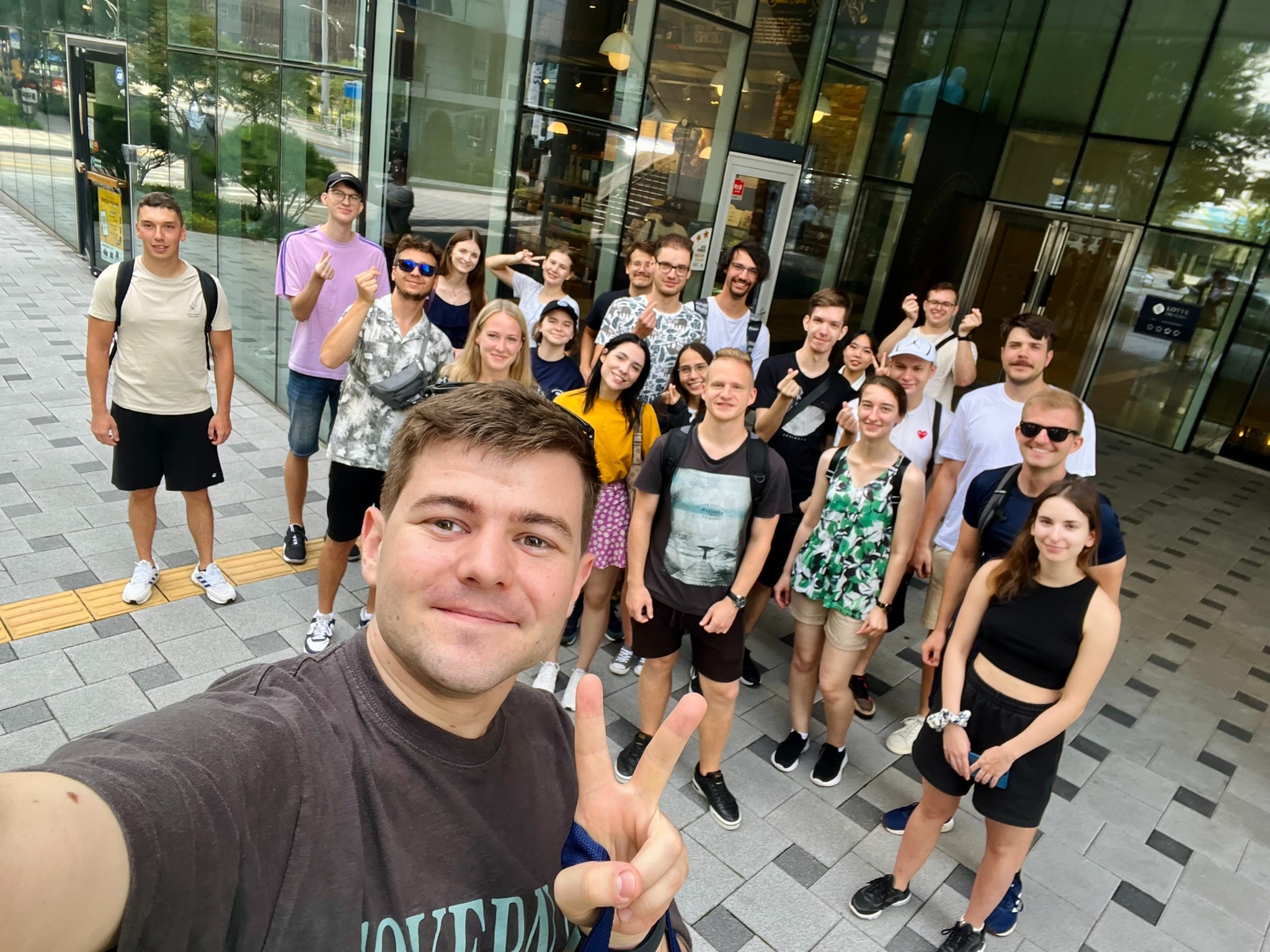
There were many other activities at KINGS, including football that we played often, and we also organized barbecues, went on trips or go hiking to nearby mountains.
The atmosphere between KINGS students, professors and staff was always very friendly. Since I got elected as a president of the student council, and was in daily contact with many people, I was very happy for such warm relationship. In my opinion, I got elected because I helped to organize many things at school since the beginning of my study, and also worked as a part-time Administrative Assistant (AA) in the external affairs team. At first I was not very happy to work in this team but in the end, the role fit me perfectly. I also organized trip to Jeju island for students, managed a regular shuttle bus that took students to the mart, or helped made snack boxes for students during the exam period."
Besides that I also participated in a four-week training course by the IAEA, Intercontinental Nuclear Institute (INI), which is the biggest international event organized by IAEA.
There were many other activities at KINGS, including football that we played often, and we also organized barbecues, went on trips or go hiking to nearby mountains.
The atmosphere between KINGS students, professors and staff was always very friendly. Since I got elected as a president of the student council, and was in daily contact with many people, I was very happy for such warm relationship. In my opinion, I got elected because I helped to organize many things at school since the beginning of my study, and also worked as a part-time Administrative Assistant (AA) in the external affairs team. At first I was not very happy to work in this team but in the end, the role fit me perfectly. I also organized trip to Jeju island for students, managed a regular shuttle bus that took students to the mart, or helped made snack boxes for students during the exam period."
"All international students at KINGS had the opportunity to work as an Administrative Assistant (AA) at the university during their studies, for maximum of 30 hours per month, with a small financial reward.
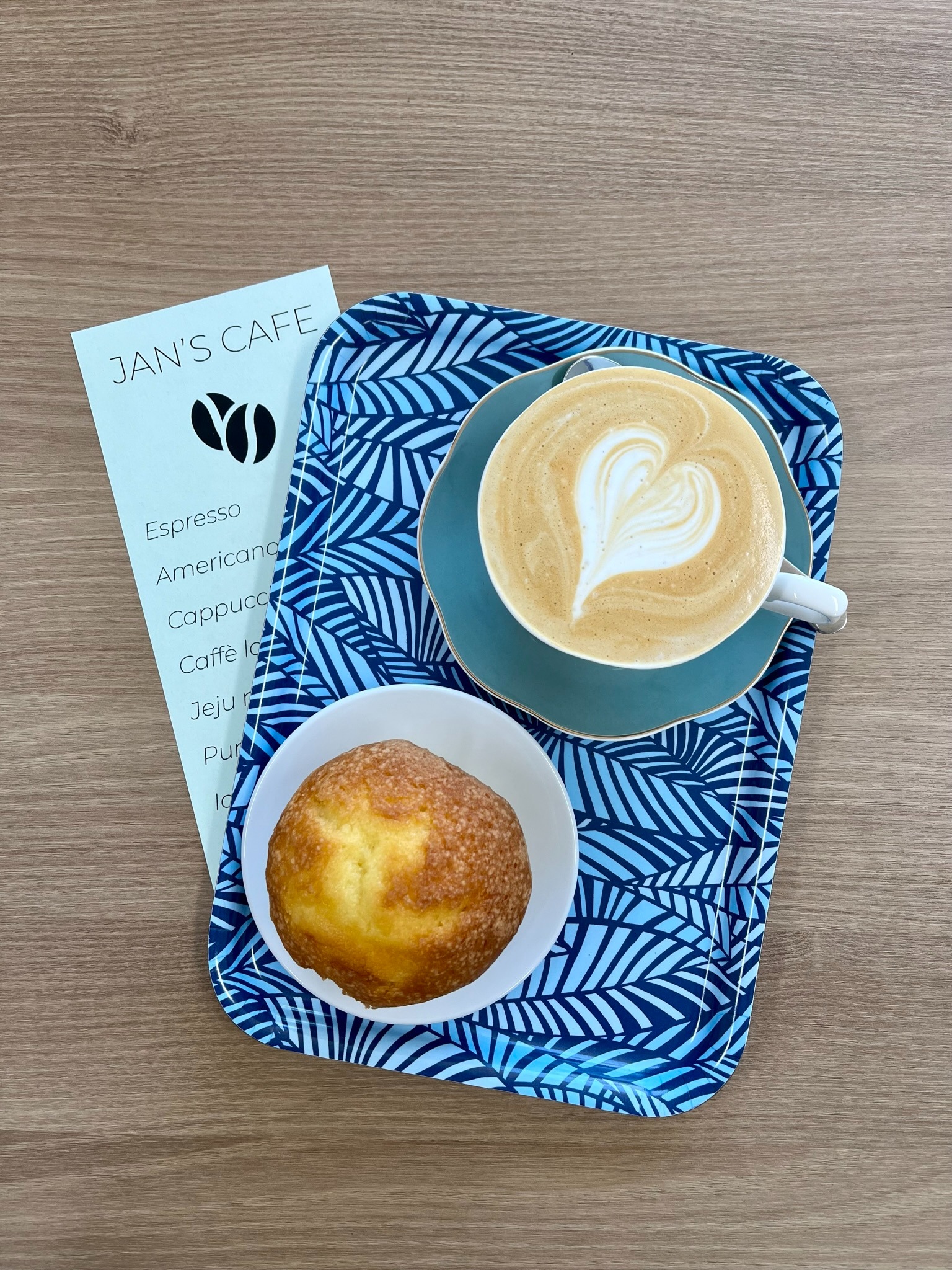
At school, we had a room, so-called, Student Council Office, which I used a lot. After the first semester, I bought a coffee machine and placed it there. We used to meet there with students, professors or school staff and had coffee while having a discussion.
Over time, the name Jan's Café was adopted, so I actually had a small café in the Student Council - with great coffee, amazing people and wonderful sea view."
At school, we had a room, so-called, Student Council Office, which I used a lot. After the first semester, I bought a coffee machine and placed it there. We used to meet there with students, professors or school staff and had coffee while having a discussion.
Over time, the name Jan's Café was adopted, so I actually had a small café in the Student Council - with great coffee, amazing people and wonderful sea view."
How does your life look like now, after you finished studies at KINGS?
"After graduation, I had three options. Either to return to the Czech Republic and work in the Dukovany NPP, which is close to my hometown and where I passed the operator's tests (I wanted to be an operator since high school). Another option was a Ph.D. in America, where I received an offer after completing the IAEA INI internship, but America never really appealed to me. The third option was to stay in Korea and try to apply to FNC. In the end I chose FNC, where I started to work as a nuclear engineer and later moved to the overseas business team, which is my current position.
In the same time, I am also studying Ph.D. at the Seoul National University (SNU), which FNC fully supports and I am very grateful for it! I applied to SNU because Ph.D. at KINGS was not possible at that time. However, if there was the opportunity to study Ph.D. at KINGS, definitely I would consider it.
I am still in a close contact with KINGS. The community of KINGS alumni is very well preserved and they often organize alumni meetings, even in the Czech Republic. Sometimes, KINGS also invites me to student events or asks me to deliver a lecture. I really enjoy it and I am very happy for such cooperation even after graduation!"
.jpg?0.19031165796140215)
.jpg?0.8084468134602912)
.jpg?0.6379411954998346)
.jpg?0.16715300233103647)
.jpg?0.9567088280724207)
.jpg?0.05565191329141195)
.jpg?0.14756770641024342)
.jpg?0.6254661810331761)
.jpg?0.12265793690934668)
KINGS Admission Guidelines 2026
KINGS (KEPCO INTERNATIONAL NUCLEAR GRADUATE SCHOOL, an accredited institution by the Ministry of Education of Korea) has released the Admission Schedule for International Students who wish to study one of the educational programs during the academic year of 2026.
Available Educational Programmes are offered by the following departments: Department of Nuclear Power Plant Engineering and Department of Energy Policy and Engineering.
Admission Criteria
● Academic Background: Bachelor’s Degree or Higher
● Work Experience: +1 Year Preferred
● Letter of Recommendations: by Company, Government or Academic Supervisor
Available Educational Programmes are offered by the following departments: Department of Nuclear Power Plant Engineering and Department of Energy Policy and Engineering.
Admission Criteria
● Academic Background: Bachelor’s Degree or Higher
● Work Experience: +1 Year Preferred
● Letter of Recommendations: by Company, Government or Academic Supervisor
● Language Requirements: Certified English Test Score / Equivalent Language Proficiency
Admission Policy
● KINGS desires future-oriented, experienced, motivated and open-minded applicants who are working in energy-related fields.
● An ability to study in cross cultural environments is an essential asset for KINGS
admission.
Application Fee
● KINGS does not charge an application fee for international students.
Required Documents
1. Application for Admission
2. Statement of Purpose
3. Study & Career plan
4. Certificate of employment
5. Two letters of Recommendation
6. Original Diploma and Transcripts of Undergraduate Degree
7. Proof of Proficiency in English
8. Verification and Consent to the Integrity of the Documents
Timeline
From September 15 to October 26 - Online Application
From November 3 to November 7 - Documents Review
Until November 28 - Online Personal Inventory Test
From December 8 to December 12 - Interview
December 31 - Announcement of Final Decision
How to apply
● To access the on-line application, find the Apply Now banner on the KINGS website
(www.kings.ac.kr), under the Admission menu.
● Create your own account and fill in all the required information.
● The on-line application page will be available only during the official application period.
Please refer to the notice on KINGS website for the 2026 application period.
For more information, please refer to the attached file or KINGS website: https://www.kings.ac.kr/admission/npp.do#1
Admission Policy
● KINGS desires future-oriented, experienced, motivated and open-minded applicants who are working in energy-related fields.
● An ability to study in cross cultural environments is an essential asset for KINGS
admission.
Application Fee
● KINGS does not charge an application fee for international students.
Required Documents
1. Application for Admission
2. Statement of Purpose
3. Study & Career plan
4. Certificate of employment
5. Two letters of Recommendation
6. Original Diploma and Transcripts of Undergraduate Degree
7. Proof of Proficiency in English
8. Verification and Consent to the Integrity of the Documents
Timeline
From September 15 to October 26 - Online Application
From November 3 to November 7 - Documents Review
Until November 28 - Online Personal Inventory Test
From December 8 to December 12 - Interview
December 31 - Announcement of Final Decision
How to apply
● To access the on-line application, find the Apply Now banner on the KINGS website
(www.kings.ac.kr), under the Admission menu.
● Create your own account and fill in all the required information.
● The on-line application page will be available only during the official application period.
Please refer to the notice on KINGS website for the 2026 application period.
For more information, please refer to the attached file or KINGS website: https://www.kings.ac.kr/admission/npp.do#1
Alumni Meetings
Did you study at KINGS and find yourself hoping to reconnect with favourite professors or friends you have met along the way? Don’t worry, your journey with KINGS doesn’t end when your studies do.
At KINGS, we deeply value all our students, whether you participated in the summer school (NYSP), joined us for a semester or year-long exchange, or completed the full master’s program.
That’s why we decided to organize alumni meetings!
This year, the first gathering took place in June when we held a meeting in Prague for all the Czech and Slovak alumni, with over 30 participants from CTU, BUT, UWB and STU. The most recent meeting took place on September 11 in Pilsen, where KINGS representatives attended the Nuclear Days conference.
We are delighted that once again, we were able to welcome so many alumni who are eager to stay connected. These meetings reinforce our belief that our students are satisfied with their time at KINGS, and that is why we continue to support them in their further studies and career paths.
